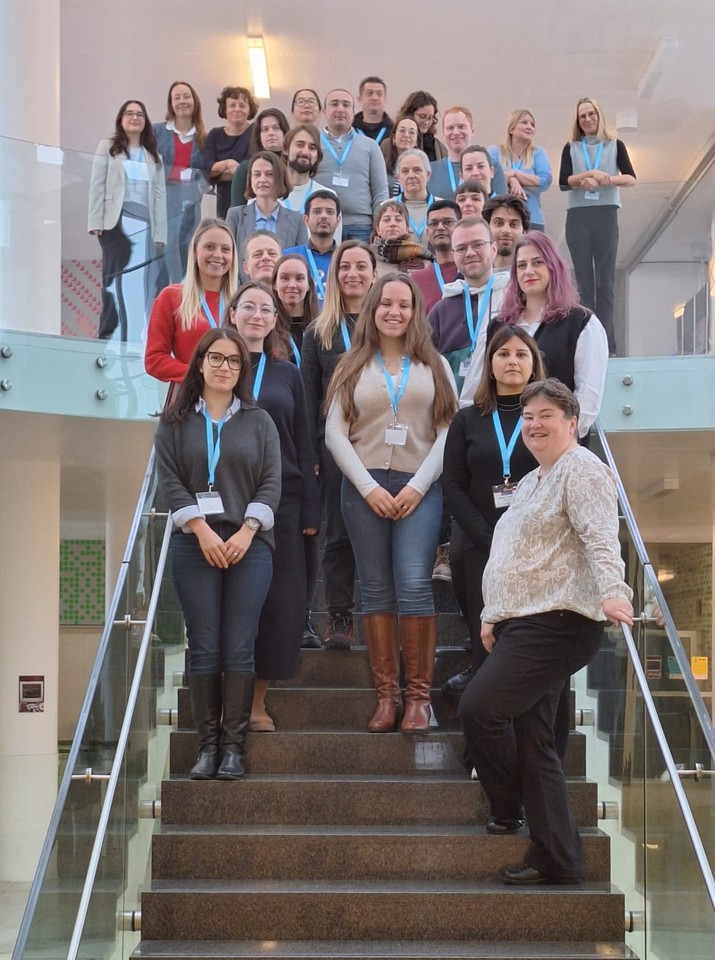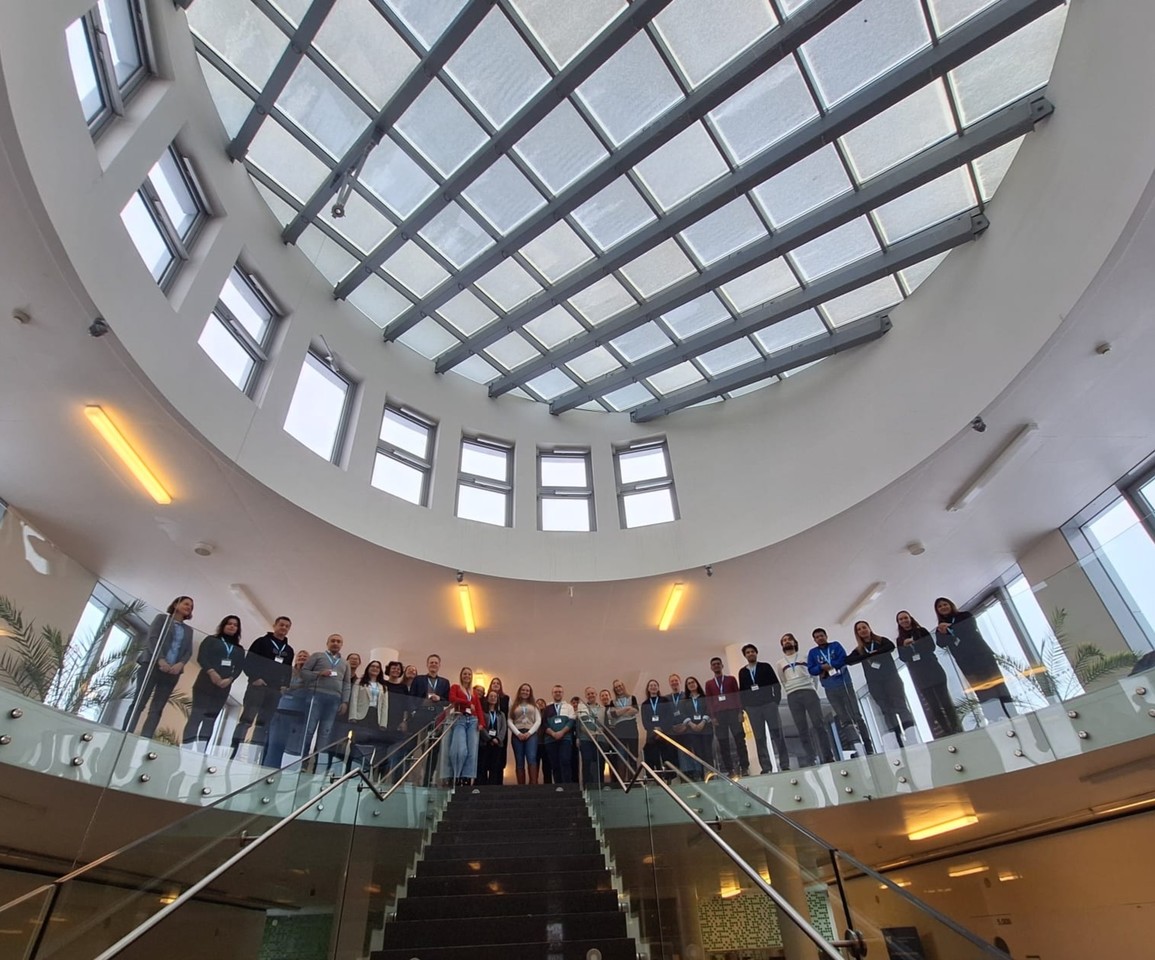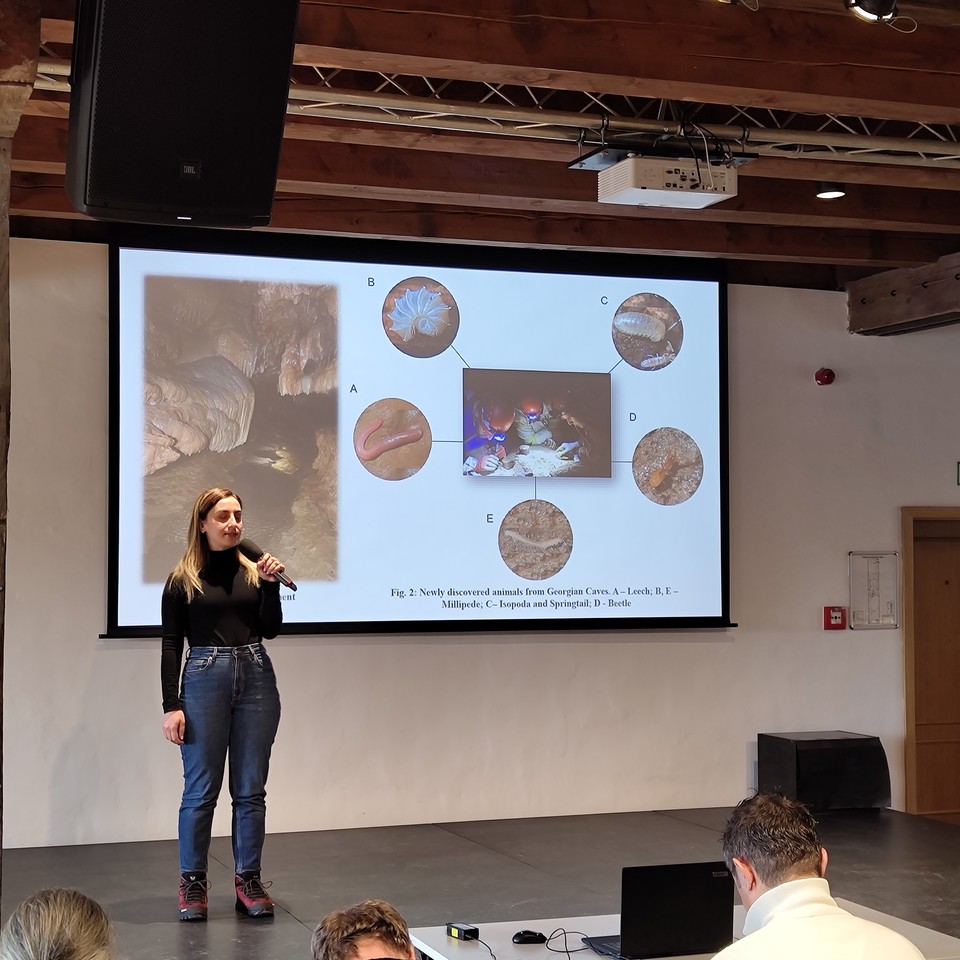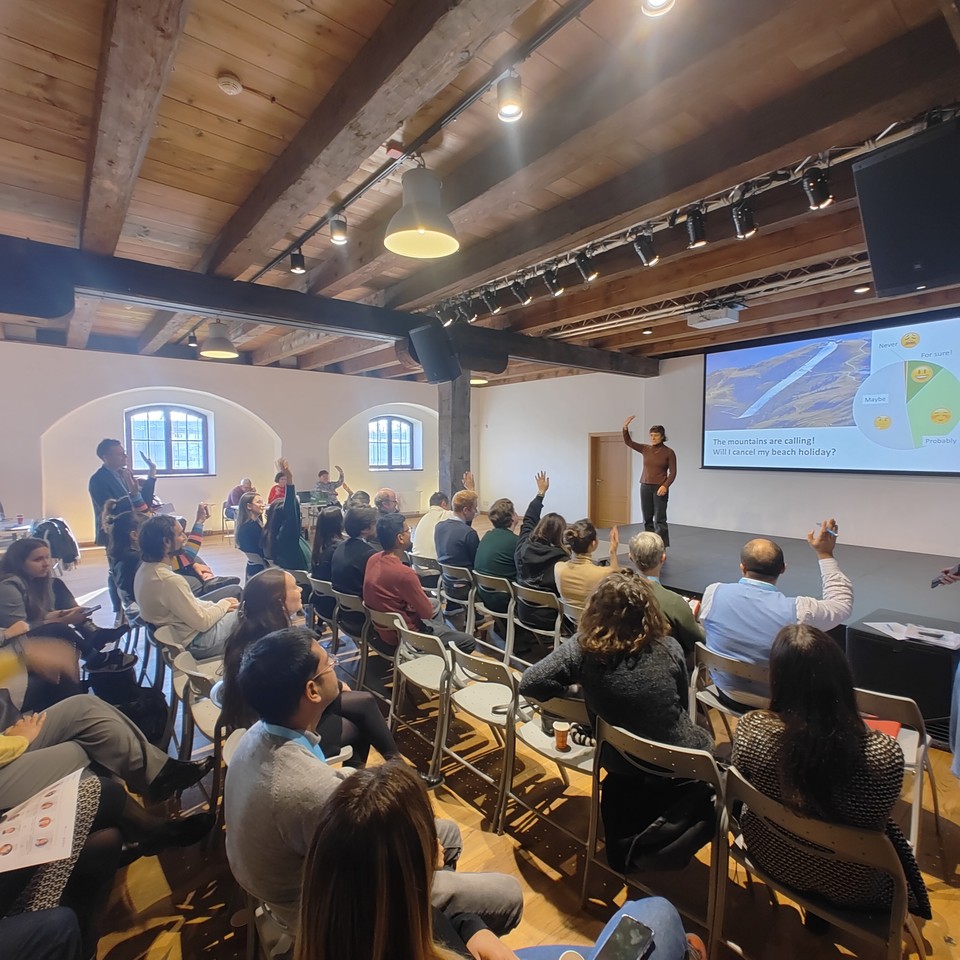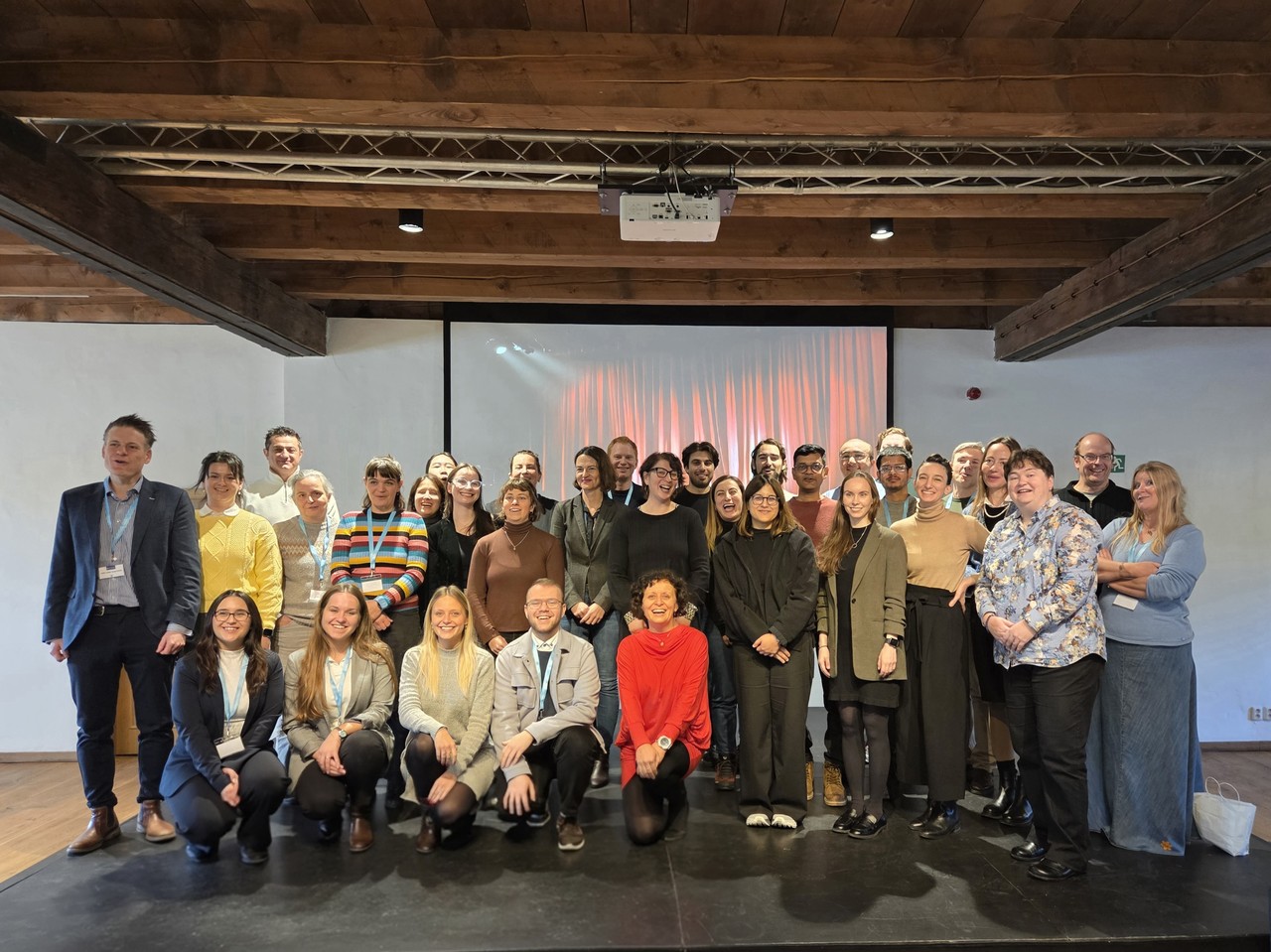
At the end of November 2025, Palacký University Olomouc hosted a double international Blended Intensive Programme (BIP) — Cultivating Futures: Transdisciplinary Approaches to Sustainable Agriculture, Urban Resilience, and Cultural Narratives and From the City to the Country — both organised within the Aurora European Universities Alliance. Academics, researchers, and students from across Europe (University of Iceland, University of Naples Federico II, University of Duisburg-Essen, Pavol Jozef Šafárik University in Košice, South-West University 'Neofit Rilski', University of Innsbruck, University Paris-Est Créteil, and the University of Rovira i Virgili) gathered in Olomouc for a week-long exchange on pressing topics such as climate change, sustainable agriculture, urban ecology, and the cultural dimensions of environmental transformation.
The programme, coordinated by the Faculty of Arts in collaboration with the Faculty of Science, Faculty of Law, and CATRIN, relied on the academic leadership of Assoc. Prof. Pavlína Flajšarová and the outstanding administrative work of Marie Sieberová, who ensured a smooth course of the entire event: from communication and logistics to daily support for the participants. Many guests highlighted her organisational acumen and precision as one of the key strengths of the meeting, significantly contributing to its success.
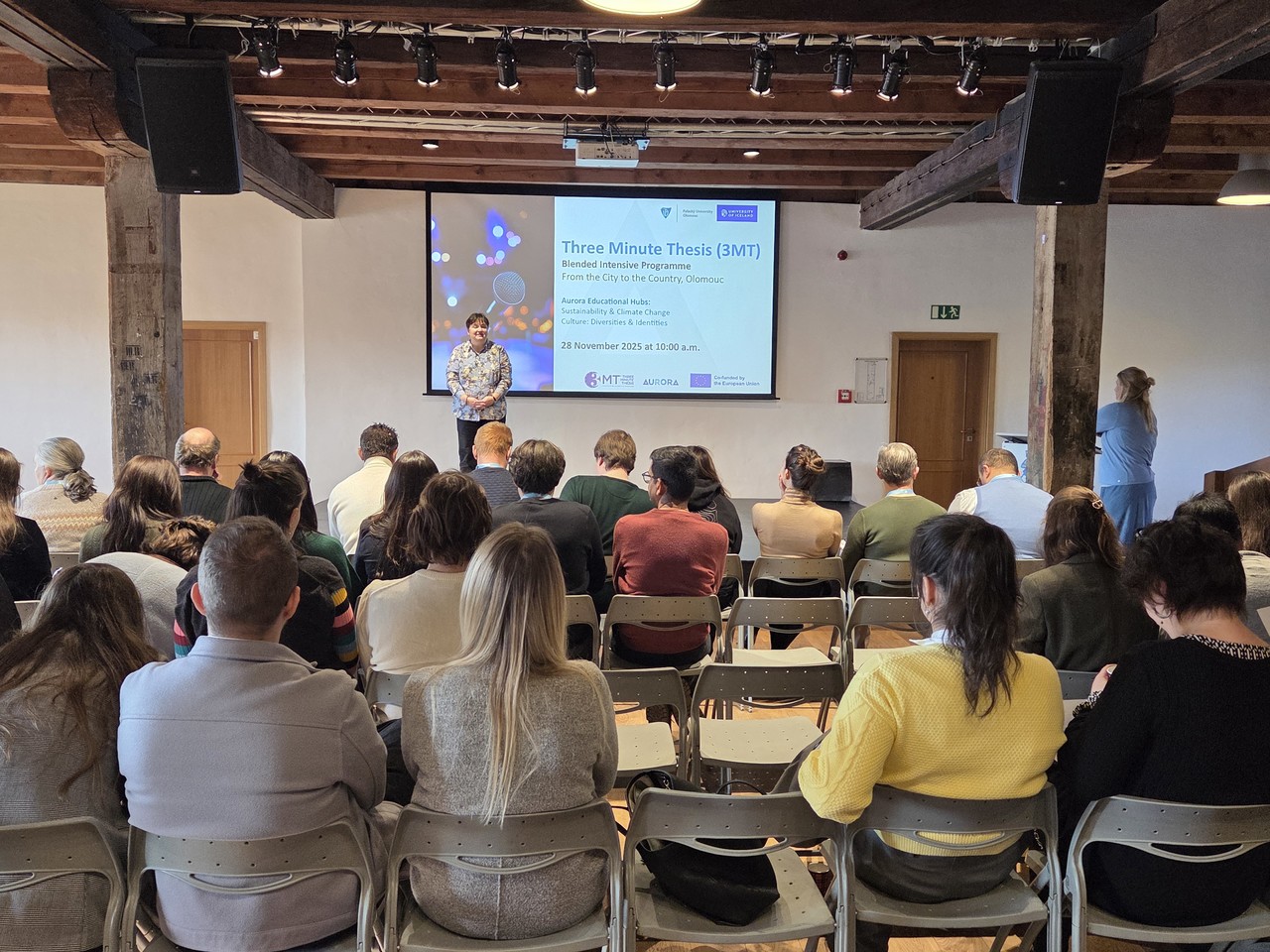
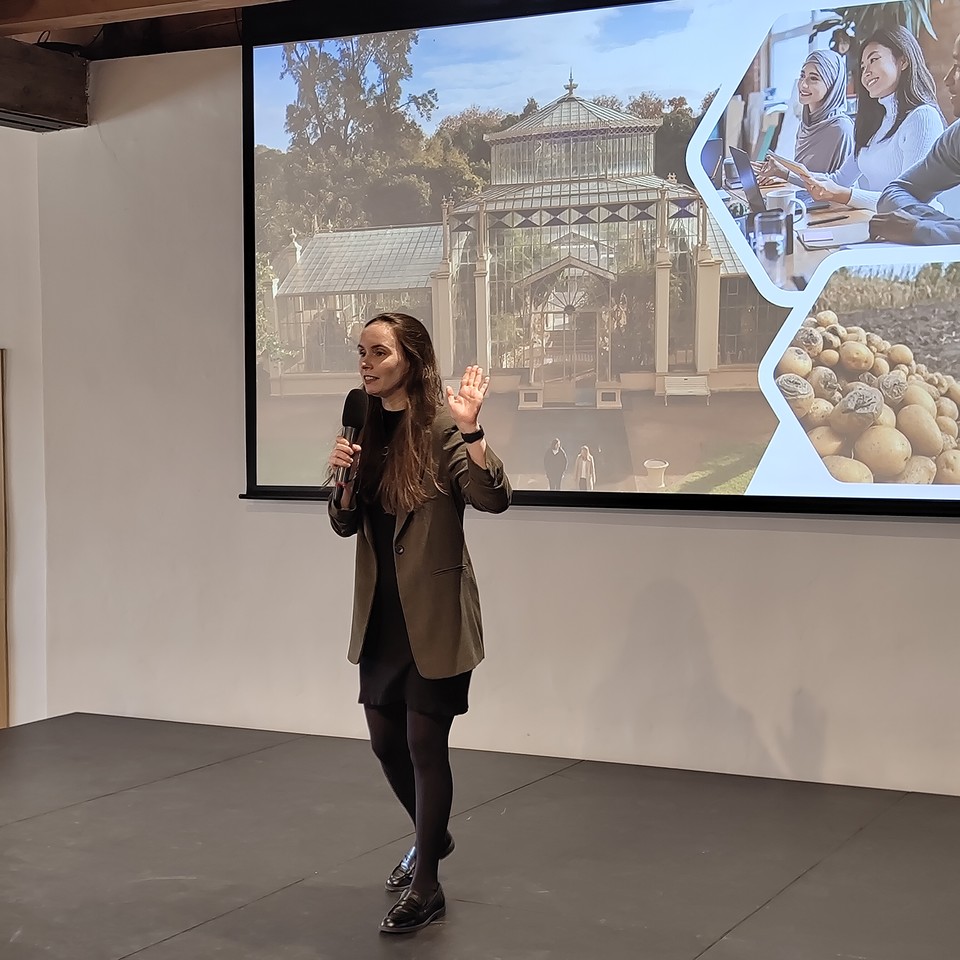
After the ceremonial welcome delivered by Assoc. Prof. Kristýna Solomon, Vice-Dean for Accreditation and Doctoral Studies, the programme began with a workshop led by Dr. Thomas Lichtmannegger (UIBK), focused on efficient natural resource management in agriculture and strategies for climate adaptation. His contribution opened the door to an interdisciplinary discussion, which continued with a lecture by Prof. Anke Bockreis (UIBK) on circular economy, urban mining, and waste management. Participants thus gained a multifaceted introduction to sustainability on the very first day, which naturally set the stage for the presentation by dr. Nikola Kořínková (CATRIN). She introduced the innovative project GeNe Sprouts, demonstrating the ways in which genetically modified plants can be applied in modern society and the economy.
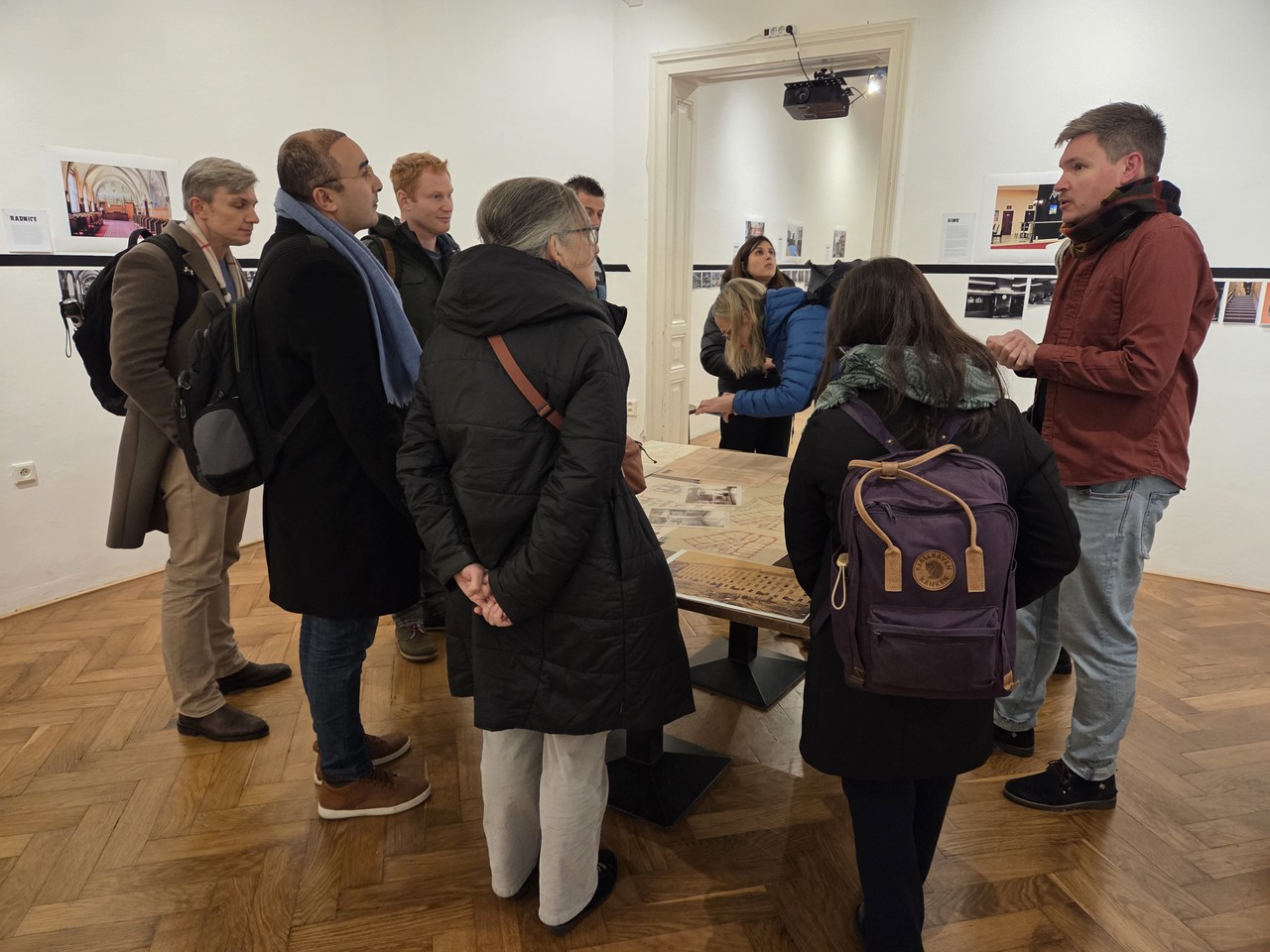
The afternoon field session, led by dr. Jan Jeništa (Faculty of Arts), brought the theoretical concepts into practice: participants visited the historically significant Molitor House and the Cathedral District, where they could observe concrete examples of linking urban heritage with sustainable urbanism.
The following day highlighted the breadth and complexity of the topics offered by the BIP. Anna Attademo (UNINA) discussed historical cities and archaeological layers, with emphasis on brownfields as opportunities for sustainable development. Assoc. Prof. Jaroslav Burian (Faculty of Science) introduced the phenomenon of urban heat islands and their environmental impacts, while Dr. Jan Filip (CATRIN) focused on the potential applications of nanotechnologies in addressing environmental challenges. Between the lectures, Pavlína Flajšarová moderated spaces for sharing research projects and experiences, fostering international networking and inspiring ideas for future collaborative ventures.
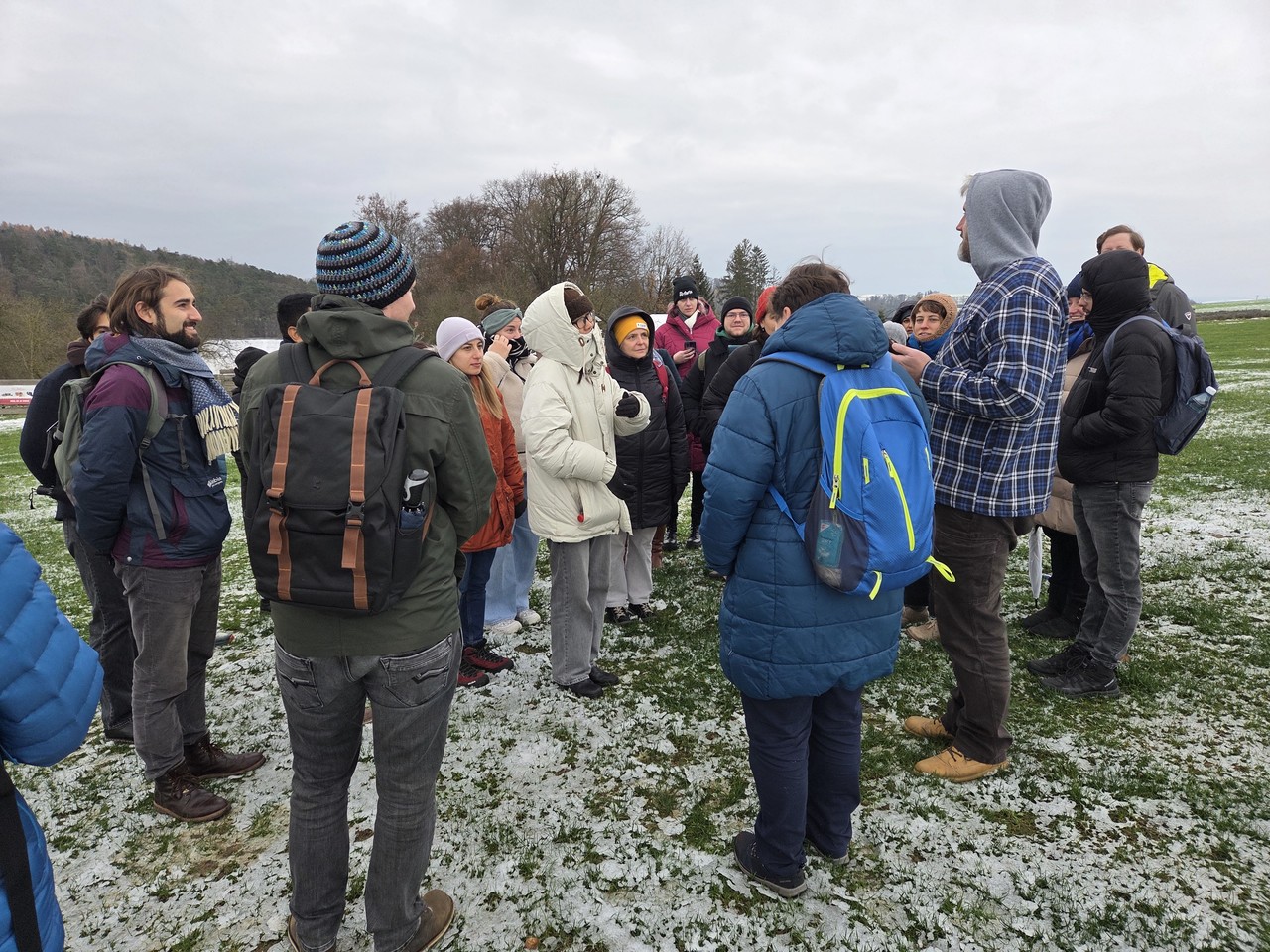
Wednesday was dedicated to an excursion outside the university campus. Participants visited the ecological Lavender Farm in Bozděchov, where they had under enthusiatic guidance of Lukáš Drlík, the farm owner, the unique opportunity to observe the daily functioning of a small regenerative agricultural enterprise facing real climate challenges. The subsequent visit to Úsov Castle connected environmental topics with the region’s historical and cultural heritage, opening space for discussions on integrating landscape management and heritage conservation into broader sustainability strategies. This allowed scientific insights to be meaningfully linked with practical approaches to preserving cultural identity.
Thursday proved to be one of the richest and most intensive days of the BIP. In the morning, Assoc. Prof. Petr Tarkowski (Faculty of Science and CATRIN) led a workshop introducing plant physiology and mechanisms of adaptation to stress conditions which is essential for both scientific understanding and practical agricultural applications. This was followed by inspiring presentations by prof. Florian Freitag and prof. Barbara Buchenau (both UDE), who, talked about the past City Scripts project, showcased successful examples of green cities in Germany and France, offering an international comparative perspective on sustainable urban development.
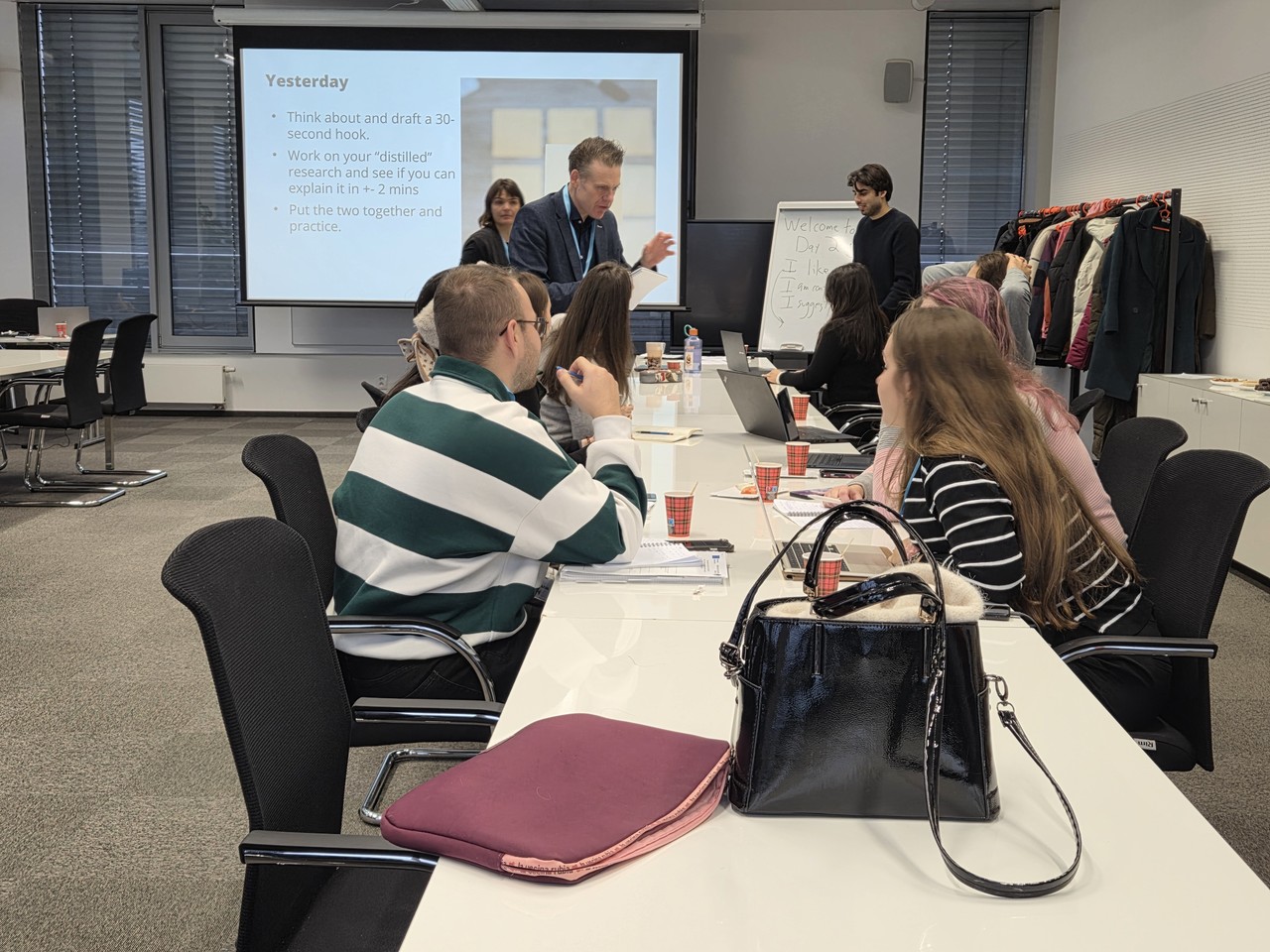
In the afternoon, a 3MT judges’ coaching session led by Pavlína Flajšarová prepared academics for their roles in the final competition. According to feedback from participants across both BIPs, a particular highlight was the hands-on workshop by Dr. Veronika Tomoszková (Faculty of Law) on environmental law. Her interactive and accessible teaching style helped participants navigate complex legislative frameworks and discuss concrete real-world cases, leaving a strong impression and deepening their understanding of the legal aspects of sustainability across disciplines and countries.
The student BIP functioned as an innovative educational platform that enabled students to connect theoretical knowledge with practical experience in both regional and international contexts. The event underscored the importance of interdisciplinarity and demonstrated how science, ecology, law, and economics can be integrated into a comprehensive understanding of today’s sustainability challenges. Key activities such as the 3MT workshops helped students enhance their ability to communicate complex scientific ideas in a clear and accessible way — a crucial skill for future careers and for public engagement.
The 3MT concept, which originated in 2008 at the University of Queensland, provides a unique competition format through which doctoral students present their research in just three minutes using a single static slide. The format quickly expanded to hundreds of universities worldwide. Its aim is not to oversimplify scientific complexity, but to make it understandable and engaging to a general audience, thereby strengthening communication between experts and the wider public. Thus, the student BIP proved to be an inspiring model of modern education — effectively linking academic learning with real-world challenges and providing young researchers and students with a platform for growth, exchange, and collaboration across disciplines and countries.
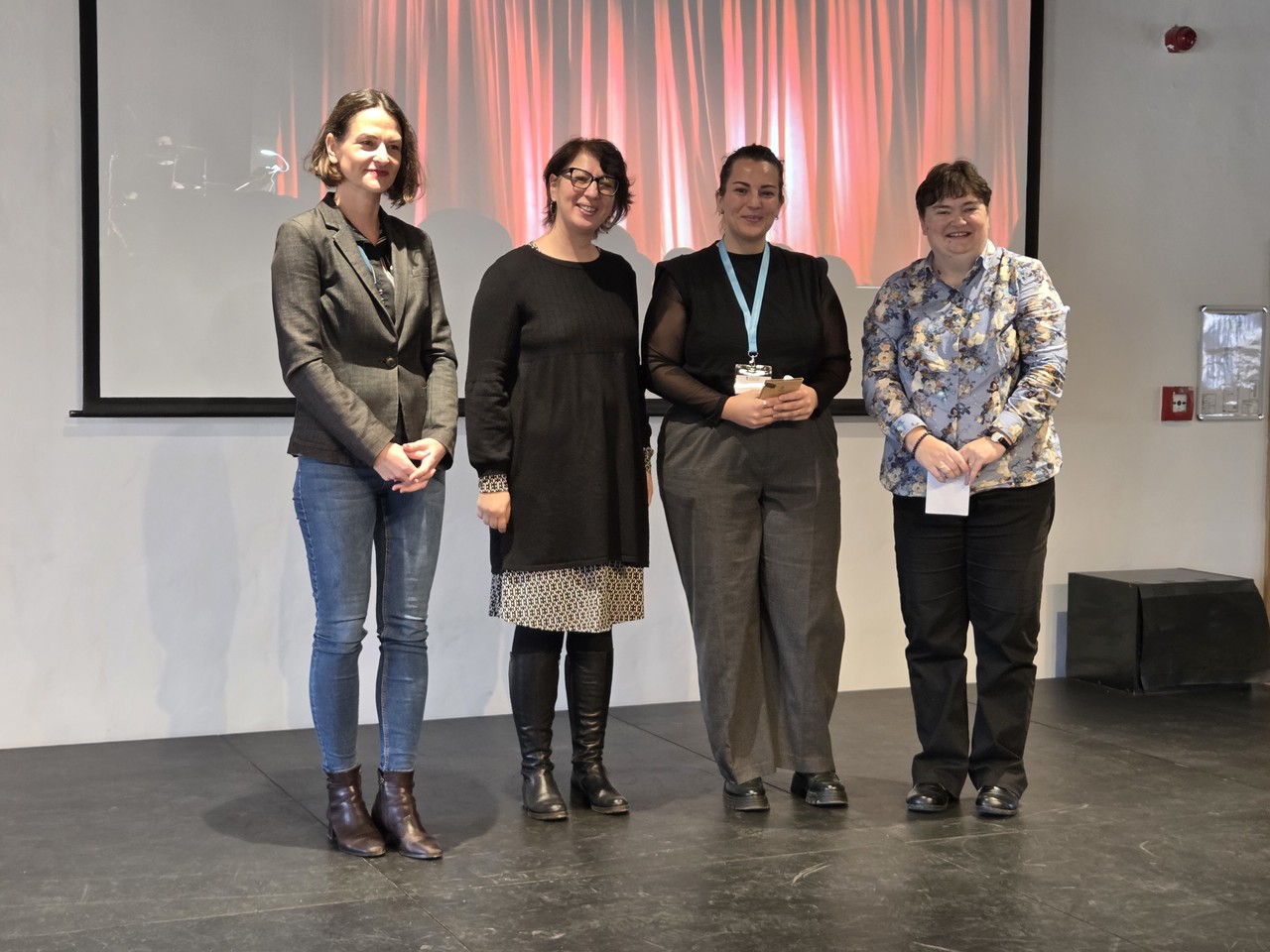
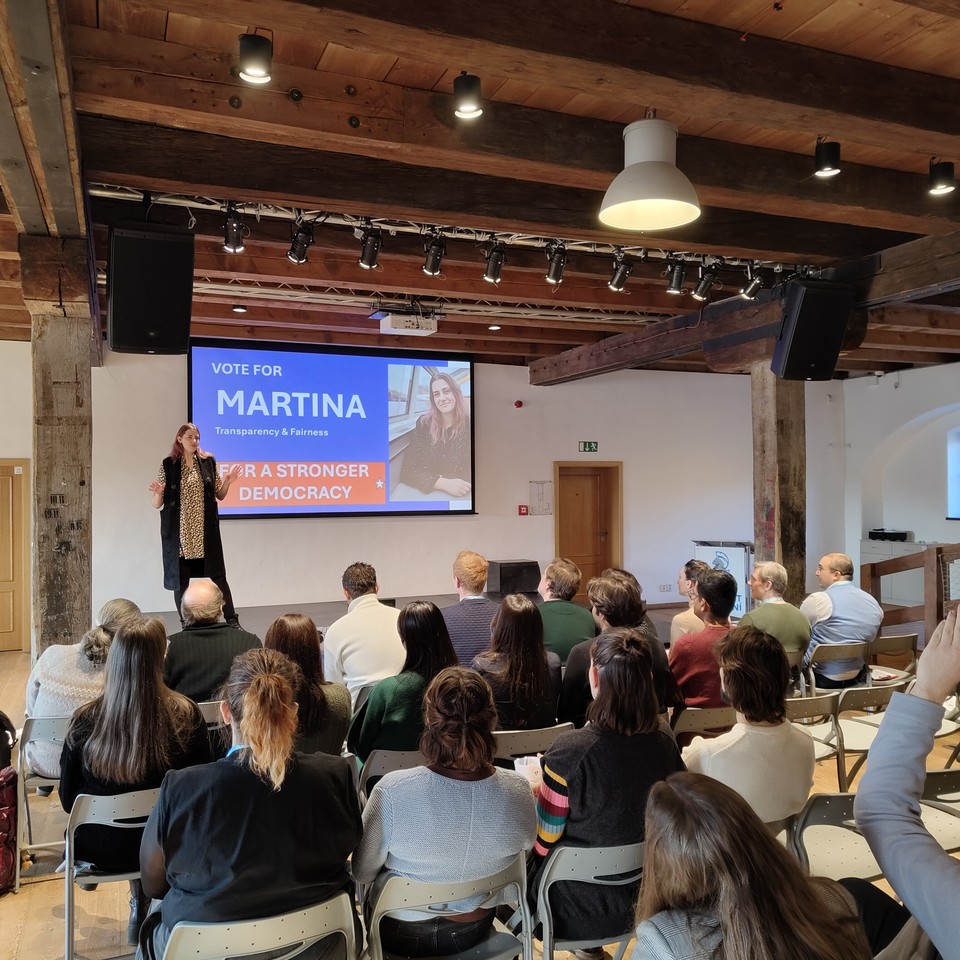
The week concluded with the Friday finale of the Three Minute Thesis (3MT) competition. Under the guidance of Suzanne Whitby (SciComm Success) and prof. Toby Wickström (UI), students completed their final training session before the competition itself, during which they presented their research projects to a professional jury in just three minutes. The presentations were factual yet often deeply personal, covering a wide range of topics, from urban planning and environmental technologies to the cultural and social dimensions of sustainability. The audience prize was awarded to Xin Chen (UI), the winner of the jury decision was Grigor Vrhovac (UIBK); the second place went to Livia Hökl (UIBK), and the third place to Julia Kianzad (UDE).
The programme concluded with a festive shared lunch, offering participants the chance to meet informally and exchange insights. Once again, the smooth organisation of the entire event demonstrated the academic guidance of Pavlína Flajšarová and the crucial role of Marie Sieberová, from early preparations and communication to detailed logistics throughout the week.