Audits and Analyses
Mapping of Green Areas and Maintenance Management at UP
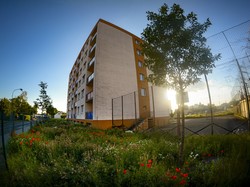
Approximately 40% of the land area of Palacký University in Olomouc (UP), with a total size of 399,504m², is covered by vegetation. The document Mapping of Green Areas and Maintenance Management at UP maps all green spaces managed by UP and its faculties and components, providing an overview of their current maintenance. It describes how these areas are managed and identifies possible potential for further development. The document also includes an extensive image annex. Importantly, it emphasizes the significance of these areas for biodiversity development near university buildings and the need for appropriate care. Based on this document, a methodology will be developed on how to enhance biodiversity at UP and how to care for it properly.
Mapping of Green Areas and Maintenance Management at UP (in Czech)
Energy Audit of UP
The energy audit was conducted from October 2022 to March 2023, evaluating energy management at UP. Its aim was to identify and propose savings opportunities, assess their feasibility, and effectiveness.
Summary Report on the Energy Audit (PDF) (in Czech)
The report contains a summary of the audit and defines its scope. It includes a list of so-called "comprehensive energy management units" (UČEH), for which detailed subreports were prepared.
Detailed Energy Audit Reports (ZIP) (in Czech)
These detailed reports summarize the status of individual buildings and their energy management, analyze energy consumption history and usage, and provide an overview of opportunities to reduce energy demands. They also establish risks related to implementation and assess economic or ecological impacts.
Energy Performance Certificates of Buildings (ZIP) (in Czech)
As part of the audit, energy performance certificates for buildings (PENB) were also prepared. These serve to evaluate the energy performance of a building — quantifying all energies consumed during standard operation and, like an appliance energy label, classify the building within classes from A–G.
Water Audit of UP
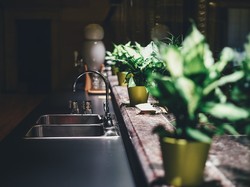
The goal of the water audit, conducted in 2024 across 63 university buildings, was to thoroughly analyze water management, wastewater handling, and water resources. The results, including specific water consumption per building, information on water sources and wastewater, and proposed measures, are available in the final report.
While UP meets principles of good water management according to the audit, some improvements are needed. Some buildings exhibited undesirable organoleptic properties in drinking water (unpleasant odor, taste, and color) caused by corrosion of steel and hot-dip galvanized pipes, leading to iron oxide release. In future renovations, pipes should be replaced with plastic, and, until then, installing filters in water dispensers is recommended.
Using rainwater and greywater can help reduce drinking water consumption — for instance, in student dormitories, which account for over 50% of the university’s total water usage, utilizing greywater could bring up to 20% savings. For better information about water consumption status, installing SMART tools to provide regular meter readings is recommended. A proposed measure to reduce wastewater production at the Holice campus is the installation of a constructed wetland wastewater treatment plant, which can be placed on a roof, facade, or in wetland beds and works on mechanical-biological principles.
Physical Waste Analysis
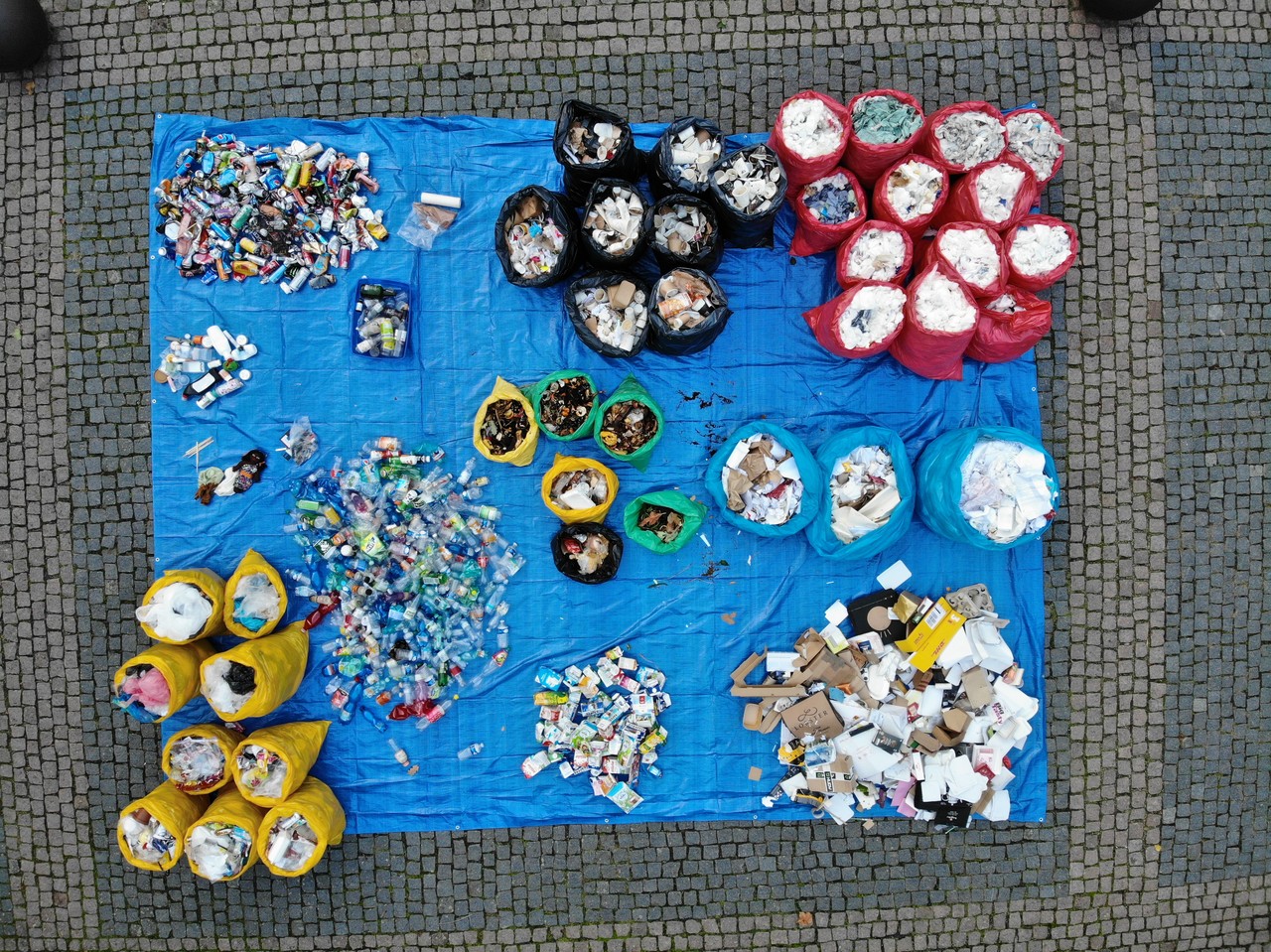
Mixed municipal waste accounts for more than 70% of all waste generated at Palacký University, totaling over 500 tonnes annually. The university therefore conducts regular physical analyses of both mixed and sorted waste to determine their actual composition, identify the most common sorting errors, and find opportunities to reduce waste production and increase recycling rates.
Analyses carried out so far show that more than half of mixed waste consists of materials that could be separated or composted. The largest share is made up of biowaste, especially uneaten food, as well as a significant amount of glass and plastics that do not belong in mixed waste.
These findings confirm that the university has strong potential for better waste prevention and improved sorting quality. They also highlight the need for targeted education of students and staff, the reduction of single-use materials, and a more systematic monitoring of waste composition.
Physical Waste Analysis 2025
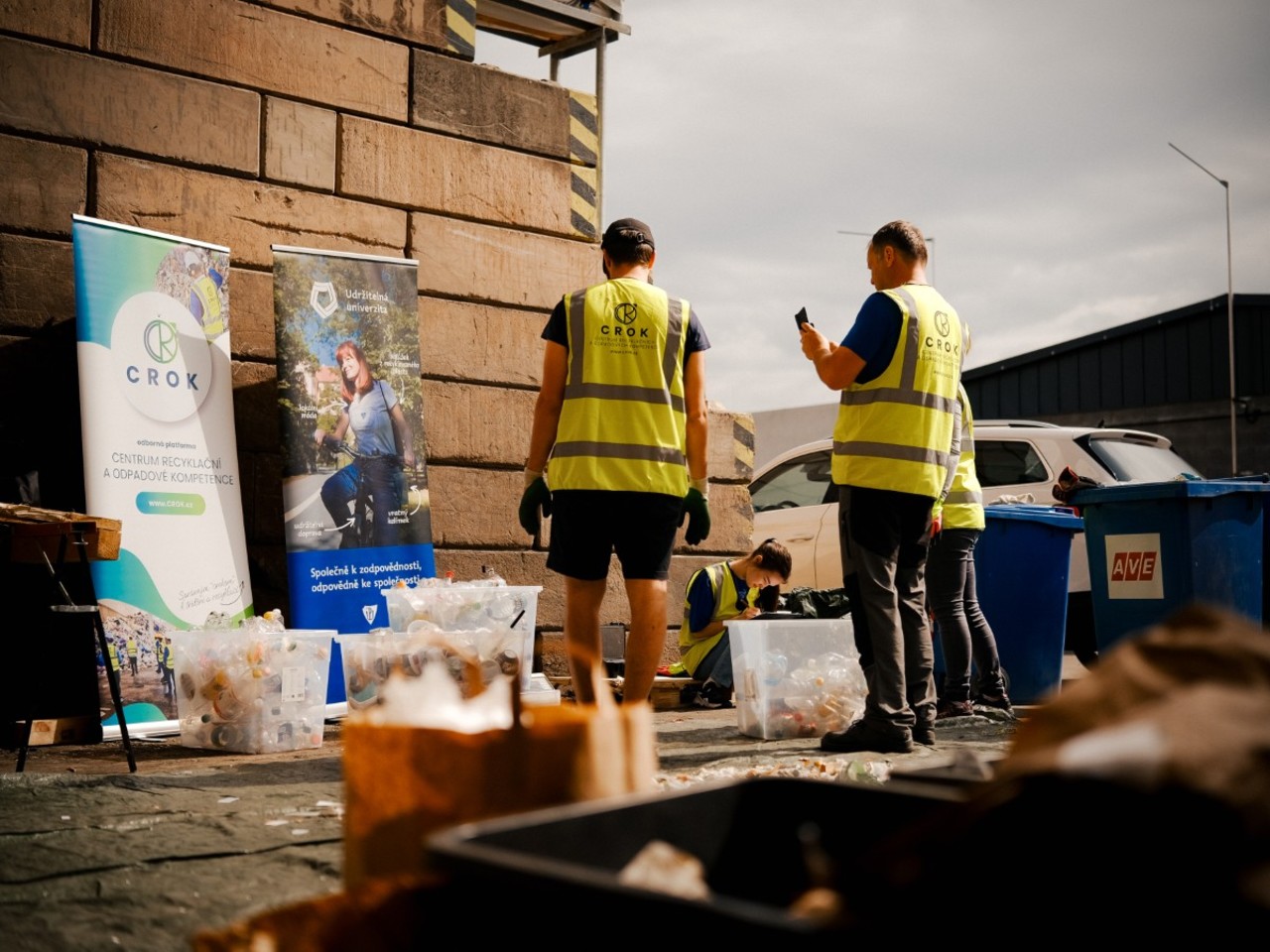
In June 2025, a physical waste analysis was conducted at selected university sites – the Neředín and Gen. Svobody dormitories, the Rector’s Office, and the Faculty of Science. The aim was to determine the composition of mixed municipal waste and sorted plastics.
Across locations, the mixed waste showed a high proportion of kitchen biowaste (from 28% at Gen. Svobody Dormitory to 45% at Neředín). A large share consisted of uneaten food. Recyclable materials represented 29–51% of mixed waste content depending on the site (up to 63% when including compostable components), with considerable amounts of glass, plastics (13–22%), and various types of paper.
The analysis of sorted plastics revealed large differences in collection quality: at Neředín, the container contained 63% plastics, while at Gen. Svobody only 45%, with almost 49% undesirable impurities. In contrast, the Rector’s Office showed very clean collection dominated by PET bottles (24%) and LDPE foils (25%). The best results were achieved by the Faculty of Science, with more than 97% target plastics and contamination below 3%.
Physical Waste Analysis 2022
On 29 November 2022, a total of 210 kg of mixed municipal waste from eight UP faculties, CATRIN, and the Rector’s Office was examined in the Zbrojnice courtyard. The analysis showed that the university community has substantial room for improvement in waste sorting. In fact, 53% of the tested sample should have ended up in sorted waste: 23.4% consisted of biodegradable waste, while other major components suitable for further utilization were paper (12.5%) and plastics (11.1%).
Detailed results by faculty and waste type can be found in the final report. A video was also produced directly on site.